












VPN Leaks Explained: How to Fix IP, DNS, & WebRTC Leaks

If you operate multiple accounts for MMO, affiliate marketing, or e-commerce, a VPN leak is a fatal security flaw. You might think your proxy setup is perfectly segmented, but a single leak exposes your physical identity to platform algorithms, triggering immediate mass suspensions.
A leak occurs when identifying data like your true IP address or DNS requests bypasses the encrypted tunnel. For casual browsing, this is a privacy issue. For professional operators, it destroys the entire network infrastructure. Platforms instantly link your isolated accounts together through these leaked footprints.
Here is a technical breakdown of the three critical VPN leaks—IP, DNS, and WebRTC—how to test for them, and how to permanently patch your system.
The Anatomy of VPN Leaks
A VPN creates a secure tunnel between your device and the internet. A leak happens when specific protocols fail to enter that tunnel.

1. The IP Address Leak (IPv4 vs. IPv6) This occurs when platforms can see your actual IP address despite an active VPN connection. The primary cause today is the IPv6 conflict. Many local ISPs issue both IPv4 and IPv6 addresses. While your VPN securely routes all IPv4 traffic, it may lack IPv6 support. When a site like Facebook requests an IPv6 connection, your device bypasses the VPN entirely, exposing your physical location.
2. The DNS Leak The Domain Name System translates web addresses into IP addresses. In a secure setup, your device sends DNS requests through the VPN tunnel to private servers. A DNS leak happens when these requests default back to your public ISP. Platform algorithms monitoring your traffic will instantly flag 100 different accounts with different proxy IPs if they all route DNS requests to the exact same local ISP server.
3. The WebRTC Leak This is the silent killer for browser-based operations. WebRTC enables real-time browser communications like audio and video streaming. To optimize connections, WebRTC forces your browser to broadcast all available IP addresses, including your local network IP and your physical public IP. Any website can execute a basic Javascript command to trigger a WebRTC request, entirely bypassing your VPN encryption.
The 60-Second Leak Audit
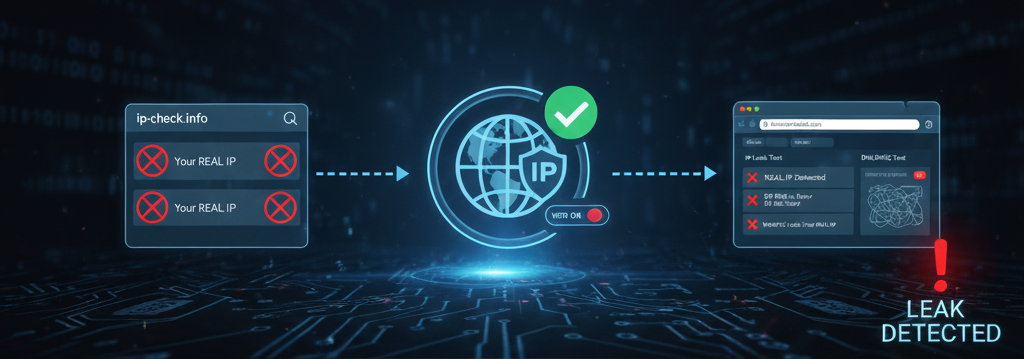
Do not rely on the connected status of your VPN software. Run these manual tests immediately.
-
Establish a Baseline: Disconnect your VPN. Visit
ip-check.infoand record your true IPv4 and IPv6 addresses. -
Test for IP Leaks: Connect your VPN and refresh the page. If your original IPv4 or IPv6 address is still visible, your connection is compromised.
-
Test for DNS Leaks: Visit
dnsleaktest.comand run the Extended Test. If the results display the name of your local internet provider instead of your VPN provider, you have a DNS leak. -
Test for WebRTC Leaks: Visit
browserleaks.com/webrtc. Look at the Public IP Address section. If it matches the baseline IP from step one, your browser is leaking your identity.
Enterprise-Grade Solutions for Multi-Account Operators
Standard software fixes like browser extensions (uBlock Origin) or disabling IPv6 in Windows settings are fragile. A background OS update or a crashed plugin will reopen the leak without warning. When managing a 1,000-account farm, you cannot rely on software patches. You need hardware-level infrastructure.
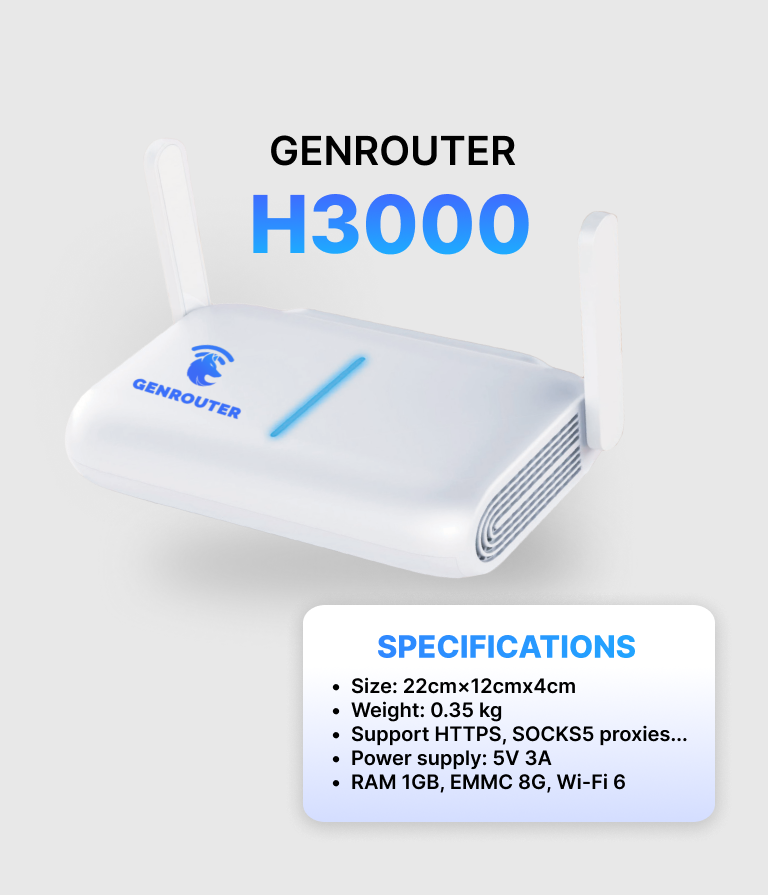
Hardware Proxy Routing Instead of installing VPN software on individual devices, professional operators manage network protocols at the hardware level. A specialized Antidetect Router forces all traffic from your Box Phone Farm or PC through an encrypted tunnel before it ever reaches the local network. The individual devices never interact with the true IP, making WebRTC and DNS leaks physically impossible.
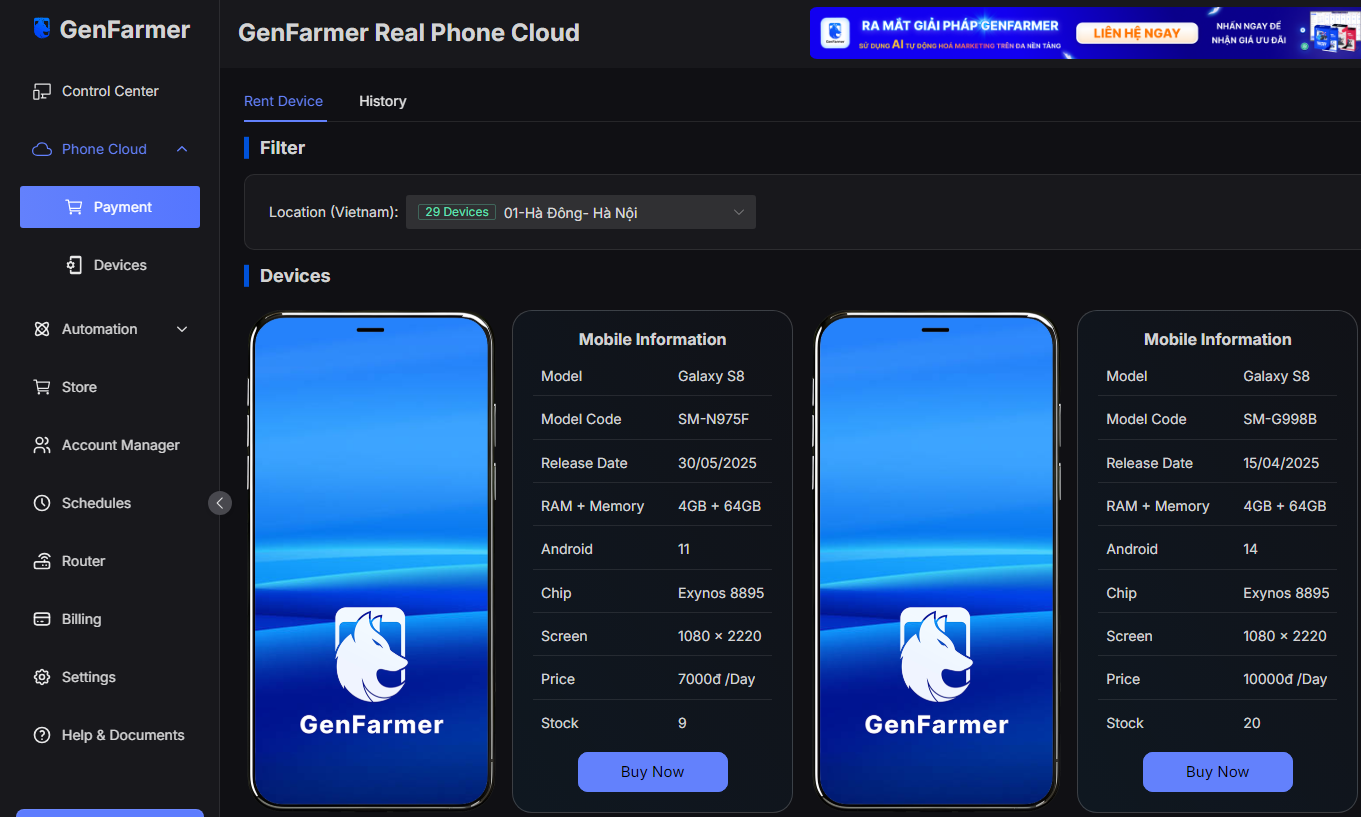
Hypervisor-Level Isolation For operations scaling beyond physical hardware, cloud infrastructure is the ultimate shield. Cloud Phone systems manage the network environment directly at the hypervisor level. Each virtual device operates in a sterile, isolated machine with a dedicated proxy IP. Networking and device fingerprinting are managed server-side, guaranteeing zero leaks and immediate compliance with platform risk controls.
Stop gambling your business assets on leaky software. Build a secure infrastructure that algorithms cannot penetrate.






 VOUCHER
 DEMO 1-1