












Is Phone Farming Worth It in 2026? Honest Pros & Cons

In 2026, the phone farming landscape is evolving at a breakneck pace, with some farms generating up to $3,000 monthly, yet many aspiring farmers find themselves barely breaking even. This stark contrast raises a critical question: is phone farming worth it today? As the allure of passive income draws more individuals in, understanding the true potential and pitfalls of phone farming becomes paramount. We’ll delve into how phone farming operates in 2026, weighing its pros and cons, and exploring realistic earnings to determine if it’s a worthwhile investment.
What Is Phone Farming and How Does It Actually Work in 2026?
In 2026, phone farming has evolved into a sophisticated method of generating passive income by leveraging multiple smartphones to perform automated tasks. The primary objective is to use these devices to run apps that pay users for interacting with advertisements, completing surveys, or watching videos. This practice has gained traction due to advancements in smartphone technology, which have made devices more efficient and capable of handling multiple tasks simultaneously.
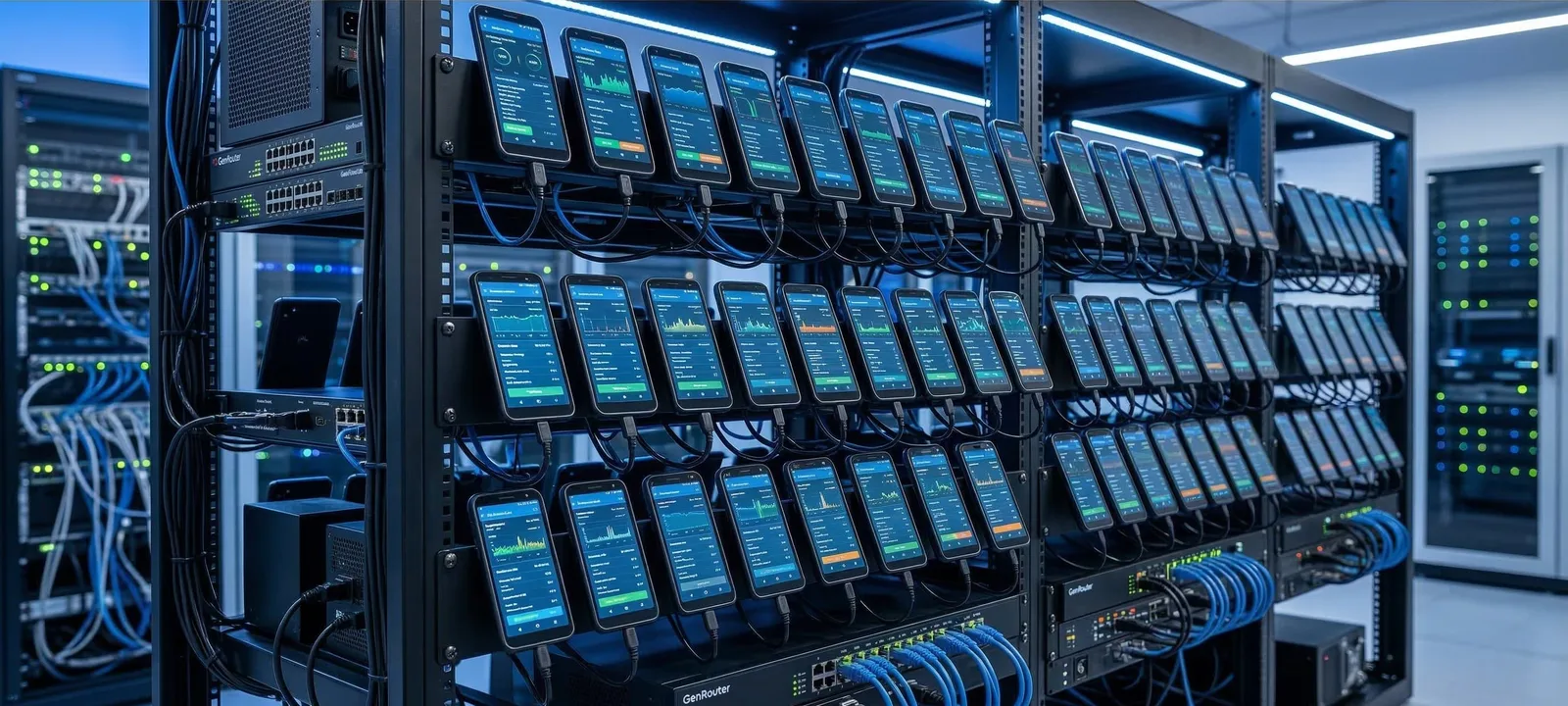
The digital economy’s expansion has also played a significant role, as more companies look to reach consumers through mobile platforms, creating lucrative opportunities for phone farmers. With smartphones becoming more affordable yet powerful, individuals and small businesses are increasingly able to create scalable operations that were previously reserved for larger enterprises.
How phone farming works: apps, devices, and income streams
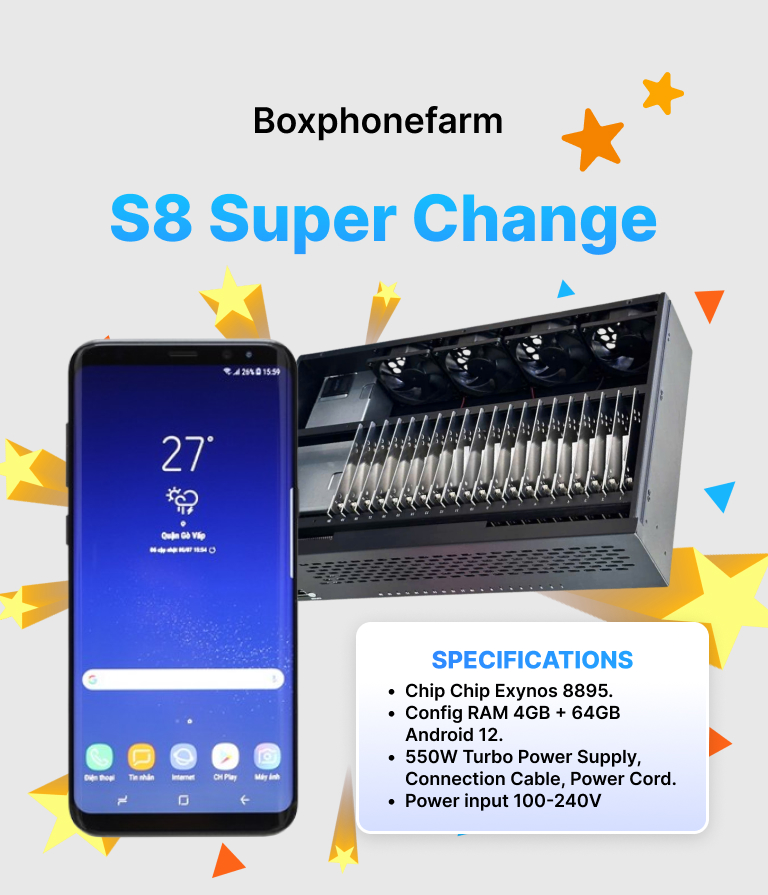
Setting up a phone farm involves a step-by-step process that begins with acquiring multiple smartphones, often older models like the Samsung Galaxy S8 due to their balance of performance and cost. These phones are then configured with automation software that can run apps designed to generate income. Common applications include those that offer rewards for watching ads or participating in market research.
To maximize efficiency, tools like GenRouter are employed to manage IP addresses and ensure that each device appears unique to service providers. The initial investment varies but typically includes the cost of phones, which can range from $50 to $150 each, and additional expenses for electricity and internet access. A well-optimized setup can allow one person to manage dozens of devices, significantly increasing potential earnings. While the barrier to entry is lower than in previous years, the need for technical know-how and ongoing management remains a challenge for newcomers.
What has changed in phone farming from 2024 to 2026?
From 2024 to 2026, the phone farming landscape has seen notable changes, primarily in the technology and equipment used. Essential equipment includes not just smartphones but also routers and automation software. The costs associated with starting a phone farm have decreased due to the availability of refurbished devices and more energy-efficient technologies.
For example, a basic setup with ten phones might cost around $1,000, including necessary accessories and connectivity solutions. To minimize expenses, many phone farmers utilize cloud-based devices and automation platforms like GenFarmer, which offer scalable solutions without the need for extensive hardware investments. These advancements allow individuals to enter the market with lower initial costs while maintaining the potential for significant revenue growth. However, the increased competition and evolving regulations present ongoing challenges that require strategic planning and adaptability.
Is Phone Farming Worth It? The Real Pros and Cons

In 2026, the allure of phone farming remains attractive due to its potential for passive income, yet selecting the right apps is crucial for profitability. Identifying high-paying apps is a significant challenge. Currently, platforms like Swagbucks and Mistplay are popular due to their consistent payouts and wide user base. These apps offer tasks ranging from surveys to game testing, which can yield an average of $50 to $200 monthly per device, depending on the user’s engagement level.
Compatible apps must support both Android and iOS devices, as this broadens the pool of usable phones. Optimizing app usage involves running multiple apps simultaneously and scheduling tasks during off-peak hours to maximize returns. It’s essential to regularly update apps and devices to avoid compatibility issues that can hinder earnings. For phone farmers, investing time in researching and testing various apps can significantly increase profitability, as it allows them to discover the most lucrative opportunities.
| ✅ Pros | ⚠️ Cons |
|---|---|
| Viable side income in 2026 if done strategically | Apps may change payout structures or become obsolete |
| Dedicated devices for high-paying apps = higher efficiency | Income is unstable when apps reduce payouts |
| Automation tools reduce manual input, boost productivity | Requires constant adaptation to platform changes |
| Allocated time slots keep devices always in use | Wrong device/app choices significantly impact profitability |
| Mix of surveys, media, gaming stabilizes income streams | Engagement rules and posting frequency change unpredictably |
| Video streaming + surveys = reliable combined income | Needs careful planning, strategy, and continuous updates |
| Mid-range Android compatible with most earning apps | Returns depend heavily on market demand shifts |
How Much Money Can You Realistically Make? (Is It Worth the Investment?)
Phone farming presents an intriguing opportunity for those looking to generate passive income. However, understanding the financial viability is crucial. In 2026, the prospect of earning through phone farming varies significantly based on scale and resource investment. For a small setup with a few devices, monthly earnings might range from $50 to $200, depending on app availability and payout consistency. On the other hand, a large-scale operation involving hundreds of devices could potentially earn several thousand dollars monthly. However, this requires substantial initial investments in hardware and software.
| Setup Type | Potential Monthly Earnings | Initial Investment | Maintenance Costs |
|---|---|---|---|
| Small Setup | $50 – $200 | $100 – $500 | Low |
| Medium Setup | $200 – $1,000 | $1,000 – $3,000 | Moderate |
| Large Setup | $1,000 – $5,000+ | $5,000+ | High |
Earnings are highly variable and depend on factors like the number of devices, app usage, and changes in app payouts. It’s important to note that some apps might change their payout structures or even shut down, impacting potential income. Therefore, while the financial rewards can be enticing, the risks and volatility must be carefully considered.
Earnings breakdown: small setup vs. large-scale phone farm
Security is a paramount concern in phone farming, primarily due to the risks of data breaches and malware. Small setups with just a few devices face fewer risks but are not immune to threats such as phishing attacks and data theft. As the scale increases, so does the potential for malicious attacks. For instance, a large-scale farm with hundreds of phones is a more attractive target for hackers aiming to exploit vulnerabilities.
To mitigate these threats, phone farmers should regularly update devices and use reputable security apps. Employing secure networks and avoiding suspicious apps are also critical practices. Utilizing strong passwords and two-factor authentication can further safeguard personal data. By prioritizing security measures, phone farmers can significantly reduce risks and protect their investments.
Cost vs. profit: when does phone farming start paying off?
Incorporating advanced router solutions offers enhanced security for phone farming operations. These routers can block harmful ads and tracking, providing a safer online environment for farming activities. Routers equipped with multiple Wi-Fi networks allow for the segregation of devices, minimizing the risk of cross-contamination from malware.
Using Virtual Private Networks (VPNs) and proxies further enhances security by masking IP addresses and encrypting data traffic. This not only protects devices from external threats but also ensures compliance with app usage policies that might restrict multiple accounts from the same IP. For those serious about scaling their phone farming operations, investing in such infrastructure is a prudent step toward ensuring both profitability and security.
Is Phone Farming Worth It for You? Who Should (and Shouldn’t) Try It
In 2026, individuals exploring ways to generate passive income might consider phone farming. This method involves using multiple smartphones to run apps that earn small amounts of money through ads and other activities. However, phone farming is not a one-size-fits-all solution. Understanding the technical framework and potential returns is essential before diving into this venture.
Phone farming is worth it if you fit this profile
Phone farming can be a viable option if you have access to low-cost or second-hand smartphones and are comfortable with basic automation setups. Typically, individuals with a background in tech or those who are quick learners excel in this field. The investment in hardware can be minimal if you leverage outdated phones, making it easier to scale operations without significant upfront costs. For instance, a small-scale operation with 10 phones could yield around $50 to $100 monthly, depending on the apps used and regional ad rates.
Moreover, phone farming is particularly suited for those who can manage multiple devices efficiently. Using platforms like GenFarmer, which offers automation solutions and hardware like Boxphones, users can optimize their setup for maximum efficiency. Such systems allow you to manage hundreds of devices with minimal manual intervention, making it an attractive option for those seeking to scale without hiring additional help.
When phone farming is NOT worth your time or money
On the other hand, phone farming might not be suitable if you lack the technical knowledge or time to manage and optimize multiple devices. The complexity of setting up and maintaining an efficient operation can be daunting for those unfamiliar with automation technologies. Additionally, if your electricity costs are high, the profits from phone farming might not justify the investment. For example, running 50 devices continuously can significantly increase your monthly electricity bill, eating into your earnings.
Furthermore, phone farming is not a quick-rich scheme. It requires patience and consistent effort to see tangible results. Individuals seeking immediate returns or those who are not willing to troubleshoot technical issues regularly might find this venture frustrating. Additionally, the evolving app policies and potential account bans pose risks that could disrupt operations.
In summary, if you have the necessary resources and are willing to invest time in learning and managing the process, phone farming can be worthwhile. However, for those expecting quick returns without much effort, this might not be the ideal choice. Assess your capabilities and resources carefully before deciding whether phone farming aligns with your goals.
Security Risks in Phone Farming and How to Protect Your Farm

The rapid growth of phone farming in recent years has brought to light significant security risks, primarily account bans, shadowbans, and platform detection. These risks arise because platforms like social media and video streaming services have algorithms designed to detect and penalize suspicious activity, such as the automated actions often employed in phone farming. According to 2025 data, approximately 30% of phone farming accounts face bans or restrictions due to platform detection. This not only halts revenue streams but can also lead to permanent account losses, which are costly in terms of both time and money.
Account bans, shadowbans, and platform detection: what you’re up against
Account bans and shadowbans are the primary challenges phone farmers face, as platforms continuously enhance their detection capabilities. Shadowbans are particularly insidious because they reduce account visibility without notifying the user, leading to a decline in engagement and earnings. This stealthy form of penalty is commonly triggered by repetitive patterns or abnormal activity spikes, which sophisticated algorithms can easily flag. For instance, a user operating multiple devices from a single IP address might see their accounts shadowbanned due to perceived manipulative behavior. This underscores the necessity of understanding platform-specific algorithms to mitigate these risks effectively.
Router, IP masking, and antidetect tools that make phone farming safer
To combat these security risks, employing advanced tools like routers with IP masking and antidetect software is essential. Routers capable of IP masking, such as the GenRouter, provide each device with a unique IP address, significantly reducing the chance of detection. Antidetect tools further obscure device identifiers, making it difficult for platforms to link accounts to the same user. A practical scenario involves a phone farmer using a GenRouter in conjunction with antidetect software to manage 20 devices. This setup not only diversifies IP addresses but also alters device fingerprints, ensuring higher operational stealth. As a result, the farmer maintains stable account operation and avoids disruptions in revenue flow.
For those considering phone farming, investing in reliable security tools is crucial. If you’re managing a few devices, basic IP masking might suffice. However, for larger operations, advanced antidetect and IP diversification solutions are necessary to safeguard your investment against platform enforcement actions.
GenFarmer – A Complete Phone Farming Solution Built for Scale
In the competitive landscape of phone farming, scalability and efficiency are crucial for success. Businesses often grapple with the challenge of managing large-scale operations while minimizing costs and maximizing returns. GenFarmer addresses these challenges by providing a comprehensive solution that integrates advanced hardware and software systems for seamless automation. With a robust user base, GenFarmer has demonstrated its capability to scale operations effectively, avoiding the common bottlenecks typical in phone farming. This is achieved through its ability to securely manage thousands of devices, ensuring both stability and efficiency. Such features are particularly appealing to enterprises aiming to expand their reach across multiple platforms without compromising security or performance.
GenFarmer Boxphone and GenRouter: hardware that makes farming worth the investment
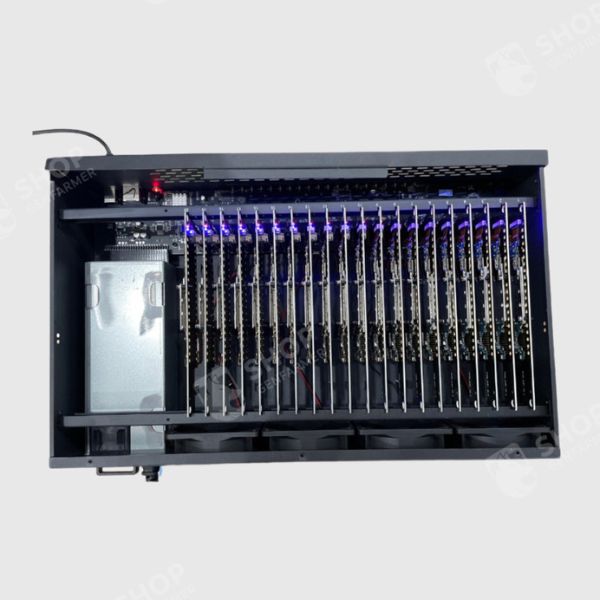
Central to GenFarmer’s offerings are the Boxphone and GenRouter devices, which are specifically engineered to enhance phone farming operations. The Boxphone S8 Change model is equipped with strong hardware to support Android 14, providing a stable and cost-effective solution for professional automation. Its design facilitates efficient multi-device management, reducing the need for large teams and significantly cutting labor costs. The GenRouter offers robust IP protection, a crucial feature for maintaining anonymity and security across various online platforms. This setup allows a single operator to manage thousands of devices, optimizing operations and enabling unlimited scalability. Such capabilities not only streamline operations but also open up new revenue opportunities by allowing businesses to increase their income potential without proportional rises in operational costs.
No-code AI automation (Trust & Boost): run TikTok, Facebook, Instagram at scale without coding
GenFarmer’s no-code AI automation tools, such as Trust and Boost, transform how businesses manage their social media presence. These tools enable users to automate activities on platforms like TikTok, Facebook, and Instagram without the need for coding skills. Trust is designed to mimic real user behavior on Facebook, improving account management and engagement, while Boost focuses on increasing reach and channel growth. For instance, a digital marketing agency using GenFarmer’s Boost tool can expand its client’s social media reach by automating interactions and content distribution, leading to noticeable improvements in engagement metrics within a short period. By leveraging these tools, businesses can efficiently scale their social media operations, maintaining a consistent presence across multiple platforms with minimal manual intervention. This approach not only saves time but also ensures a higher return on investment by enabling targeted and strategic social media growth initiatives.
However, it’s essential to consider the potential risks associated with automation and data security. While GenFarmer offers robust security features, businesses must remain vigilant and compliant with platform policies to mitigate any adverse impacts.

Knowing what to do is one thing, but having the right tool to execute it is another. This is where GenFarmer comes into play. With a comprehensive suite of products designed for scalability and efficiency, GenFarmer offers solutions like the no-coding mobile automation platform and cloud phone rentals. These tools are specifically designed to address the scalability and security challenges highlighted in the article, making them ideal for those looking to streamline their phone farming operations.
Don’t let the complexities of phone farming hold you back. Explore GenFarmer’s offerings today to enhance your phone farming strategy and maximize your returns.
Conclusion
In 2026, phone farming has emerged as a viable method for generating passive income by leveraging multiple smartphones to perform automated tasks. The key to success lies in selecting high-paying apps and understanding the potential earnings, which can vary significantly depending on the apps and strategies used. However, the financial viability is just one piece of the puzzle. Individuals must also consider the security risks associated with phone farming, such as account bans and platform detection, which can impede profitability. For those who are prepared to navigate these challenges, phone farming offers an intriguing opportunity for passive income generation.






 VOUCHER
 DEMO 1-1