












Phone Farm Passive Income: Realistic Earnings & Expectations

In 2026, the allure of phone farms as a source of passive income has captivated many, yet only a small fraction of enthusiasts understand the true potential and limitations of this venture. Despite common beliefs, a well-optimized phone farm can potentially generate over $1,000 per month, but this figure is far from guaranteed without strategic planning and investment. The allure lies in the promise of earning money with minimal active effort, but achieving this requires more than just a collection of old smartphones. In this article, we will delve into the mechanics of how phone farms can generate passive income, realistic earnings expectations, and the steps to build an efficient setup.
How A Phone Farm Can Make Passive Income
In 2026, the concept of phone farming has gained significant traction as a viable source of passive income, primarily due to advancements in mobile technology and automation software. Reports indicate that individuals managing phone farms can potentially earn hundreds of dollars monthly with relatively minimal manual intervention. This rise in popularity is driven by the ability to monetize multiple smartphones simultaneously, capitalizing on rewards programs, ad views, and data collection tasks that are automated for efficiency.
The technical core of a phone farm involves using multiple smartphones to perform repetitive tasks that generate income. These tasks often include watching advertisements, completing surveys, or running apps that reward users with points convertible to cash. The process hinges on automation tools that manage these smartphones centrally. For instance, Android Debug Bridge (ADB) is a critical component that allows a computer to control and manage these devices remotely. ADB facilitates communication between the computer and smartphones, enabling the execution of tasks without manual input.

Consider a practical scenario involving a small-scale phone farmer who manages 50 smartphones. By leveraging automation software, this individual can earn approximately $500 per month. The software automates the process of running apps and watching ads, which would be time-consuming if done manually. The key to achieving this income level lies in optimizing the setup with reliable devices and efficient software tools.
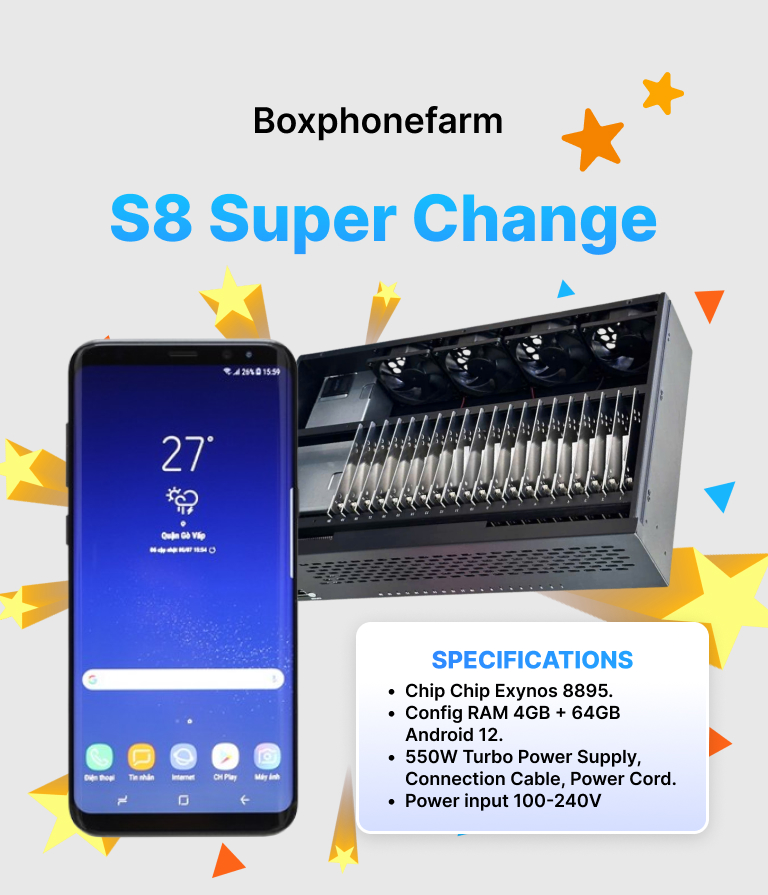
Additionally, employing advanced models like the Boxphone S8 Change, known for its superior automation capabilities, can significantly enhance performance by offering better stealth and stability.
To capitalize on this opportunity, potential phone farmers should start by investing in a few stable devices and automation software that can efficiently manage multiple phones. It’s crucial to understand the technical requirements, such as setting up ADB for remote management and ensuring IP protection to avoid bans from service providers.
As the operation scales, reinvesting earnings into more devices and advanced systems like GenFarmer can exponentially increase income potential. However, one must also consider the risks, such as the potential for account bans or diminishing returns due to market saturation, and adapt strategies accordingly. By staying informed and strategically scaling operations, phone farming can indeed become a lucrative passive income stream in today’s digital economy.
How Much Passive Income Can a Phone Farm Actually Generate?
The potential earnings from a phone farm can vary widely, primarily influenced by the scale of the operation and the efficiency of the devices used. In 2025, some individuals reported generating passive income ranging from $50 to $300 per month per device, depending on the apps and services being leveraged. The primary mechanism involves using smartphones to automate tasks such as watching ads, completing surveys, or running apps that pay for data usage. These activities generate revenue through microtransactions, which accumulate over time.

The core of phone farming profitability lies in automation and device management. By utilizing tools like Android Debug Bridge (ADB), users can manage multiple phones simultaneously, increasing the potential income without a proportional increase in manual effort. The technical setup involves connecting phones to a central system where tasks are automated, reducing downtime and maximizing productivity. For example, a farm with 50 devices, each generating $100 monthly, could potentially bring in $5,000. However, this requires a robust system to manage device performance and ensure compliance with app usage policies.
A practical scenario involves a user investing in 20 Boxphone S8 Change devices. These devices are known for their stability and efficiency in handling automation tasks. By setting up a system that runs ad-watching apps 24/7, this user could achieve a significant income stream. The potential earnings could reach around $2,000 monthly, assuming each device consistently generates $100. The success of this setup is due to the strategic use of automation software that ensures continuous and optimal device operation.
To maximize income, one should invest in high-quality devices and reliable automation software. It’s also crucial to stay informed about app policies to avoid bans and optimize the farm’s performance. Regular monitoring and adjustments can significantly enhance the farm’s efficiency and profitability.
Key Factors That Directly Affect Your Earnings
Several key factors directly influence the earnings potential of a phone farm. The type and number of devices used are critical; more devices mean higher potential income but also require more substantial initial investment and management. For instance, a farm with 100 devices might yield a significantly higher income than one with just 10, but it demands robust management systems to handle the increased complexity.
The choice of apps and services is another pivotal factor. Certain apps offer higher payouts than others, and being selective about which apps to run can optimize income. Additionally, the geographical location of the user can affect earnings, as some apps pay more for traffic from specific regions. In 2025, users in North America and Europe often reported higher earnings compared to those in other regions.
A critical consideration is the technological infrastructure supporting the phone farm. Utilizing advanced automation tools and maintaining up-to-date software ensures that devices operate efficiently and without interruption. For example, using GenRouter to protect device IPs can prevent bans and sustain income levels. The use of such technologies is essential to maintain the farm’s stealth and stability.
Realistic Monthly Income Estimates by Farm Scale
The scale of a phone farm significantly impacts the potential monthly income. For small-scale setups with around 5 to 10 devices, users can realistically expect to earn between $250 and $1,000 monthly. This range depends on the specific tasks automated and the efficiency of the devices used.
Mid-scale farms, operating between 20 and 50 devices, typically see monthly incomes from $2,000 to $5,000. This scale allows for more significant income potential while still being manageable for individuals with some technical expertise in automation and device management.
Large-scale operations with over 100 devices can generate upwards of $10,000 monthly, although such setups require substantial initial investment and sophisticated management systems. These farms benefit from economies of scale, where the per-device income remains consistent, but the sheer number of devices amplifies total earnings.
To achieve these income levels, it is vital to optimize device performance and ensure compliance with the terms and conditions of the apps used. Regular updates and strategic app selection can also enhance the farm’s profitability and sustainability.
How to Build a Phone Farm for Passive Income
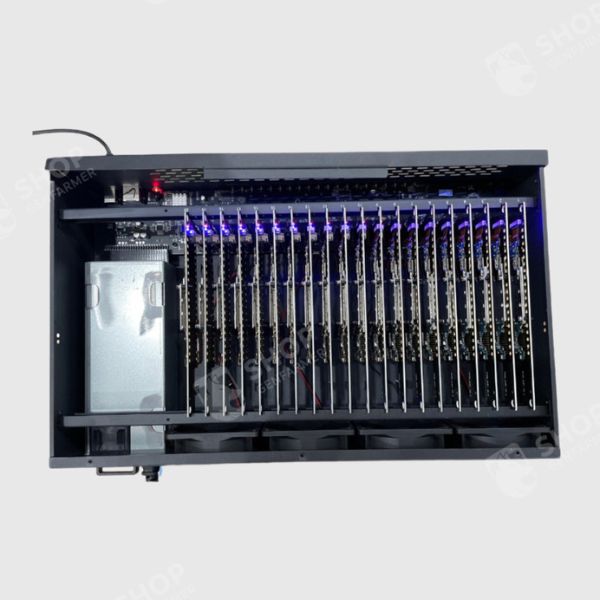
The surge in interest around phone farms stems from their potential to generate passive income by automating repetitive tasks across numerous devices. With over 40% of internet users engaging in mobile activities, leveraging this trend through a phone farm can be a lucrative venture. Building a phone farm involves strategic planning and investment in equipment, software, and network infrastructure to ensure efficient and stable operations.
Essential Equipment and Upfront Investment
Setting up a phone farm requires careful consideration of the initial hardware investment. Typically, a starter phone farm might consist of 10 to 20 devices, each costing between $50 and $100. Older models such as the Samsung Galaxy S8 are popular choices due to their balance of cost and performance. In addition to phones, purchasing USB hubs and charging stations is essential to maintain power and connectivity. For instance, a 10-port USB hub typically costs around $30, while a multi-device charging station can range from $40 to $60.
The upfront investment also includes acquiring a reliable computer to manage the devices, which can cost approximately $500. This computer acts as the control center, utilizing Android Debug Bridge (ADB) to remotely access and manage the phones. The total initial investment for a basic setup can be around $1,500 to $2,000, but this can vary based on the scale and specific equipment choices. Investing in quality equipment is critical for minimizing downtime and maximizing income potential.
Automation Software: The Core of Passive Operations
Automation software is pivotal in running a phone farm efficiently, transforming it from a manual operation to a passive income stream. Software like GenFarmer specializes in managing large numbers of devices by automating tasks such as app installations, updates, and routine interactions. The software uses scripts to perform actions on each device, allowing one person to manage hundreds of phones simultaneously.
In practical terms, a user employing GenFarmer to automate a 50-device farm could see significant savings in labor costs, reducing the need for manual intervention by over 80%. This software not only increases efficiency but also enhances security by integrating with anti-detect technologies to prevent IP bans and account suspensions. However, users should be aware of the learning curve associated with setting up and optimizing these scripts, which requires some technical skill.
Network Setup for Stable, Long-Term Performance
A robust network setup is essential for maintaining the stability and efficiency of a phone farm. To prevent IP conflicts and ensure secure connections, using a GenRouter or similar device can manage multiple IP addresses and distribute them across the phones. This approach mitigates the risk of network bans due to suspicious activity patterns.
For example, a user operating a farm with 100 devices might utilize a GenRouter to rotate IP addresses every few minutes, reducing the likelihood of detection by app servers. This setup ensures that the phone farm operates continuously without interruptions, maximizing uptime and income. Investing in a high-quality router and a reliable internet connection, ideally with speeds of at least 100 Mbps, is recommended to support the data demands of multiple devices simultaneously.
Strategically, users should regularly monitor network performance and adjust configurations as needed to adapt to changes in app policies or network conditions. By maintaining a stable network environment, users can sustain long-term passive income streams from their phone farms.
Proven Strategies to Maximize Phone Farm Passive Income
In 2026, the global market for mobile app monetization is projected to reach $400 billion, highlighting the significant potential for earning through phone farms. Phone farms, which involve using multiple smartphones to generate income through app usage, require strategic planning to maximize returns. Understanding the mechanisms of app selection and scaling can significantly enhance profitability.
Choosing the Right Apps and Monetization Platforms

Selecting the right apps is crucial for optimizing income from phone farms. The primary consideration is the app’s earning potential, which can vary widely depending on the platform and geographic location. Apps that offer rewards for watching ads or completing surveys are popular choices due to their relatively simple requirements and consistent payouts. For instance, in North America, users have reported earning up to $5 per device daily using specific ad-based applications.
The technical aspect involves ensuring compatibility and efficiency. Apps should be tested for stability across devices such as the Android Boxphone S8, known for its cost-effectiveness and robust performance. Platforms like GenFarmer provide recommendations on the most lucrative apps based on real-time data analytics, ensuring users can optimize their device usage. Users should also consider the app’s terms of service to avoid violations that could lead to bans or reduced earnings.
In practice, a user operating a 50-device farm might select apps based on regional payout rates, focusing on those with higher CPM (cost per mille) rates. This strategic selection can lead to a 20% increase in daily earnings compared to random app usage. The key is constant evaluation and adaptation to emerging trends and app updates.
Scaling Your Phone Farm Without Increasing Workload
Scaling a phone farm efficiently involves leveraging automation tools and strategic device management. The GenFarmer ecosystem exemplifies this by providing a sophisticated platform that automates device operations, allowing a single user to manage up to 1,000 devices simultaneously. This eliminates the need for manual intervention and significantly reduces labor costs.
The technical mechanism relies on systems like Android Debug Bridge (ADB) for remote management, enabling seamless control over multiple devices. By integrating devices with a GenRouter, users can maintain unique IP addresses for each device, enhancing security and reducing the risk of app bans due to simultaneous logins from the same IP. This infrastructure is crucial for maintaining a stable and scalable operation.
For example, a user with a 200-device farm could integrate these devices into the GenFarmer system, allowing them to scale up to 500 devices without additional staffing. The automation ensures that each device operates optimally, maximizing uptime and income potential. This approach can lead to a 30% reduction in operational overhead while increasing revenue by up to 50% due to the efficient management of resources.
To effectively scale a phone farm, users should invest in robust infrastructure and automation tools that allow for growth without proportional increases in workload. By focusing on scalability and efficiency, users can significantly enhance their passive income potential from phone farms.
GenFarmer Solutions: Enhancing Phone Farming Efficiency
In the rapidly evolving landscape of phone farming, GenFarmer Solutions has emerged as a leader by providing innovative tools designed to maximize efficiency and scalability. Their ecosystem, which includes Boxphone devices and GenRouter, has transformed how users manage large phone farms. By focusing on automation and security, GenFarmer has enabled users to handle thousands of devices simultaneously, making it possible to scale operations without a proportional increase in manual labor. This is particularly crucial as phone farming operations grow, requiring more robust solutions to maintain efficiency.
Boxphone Devices: Features and Advantages
Boxphone devices are central to GenFarmer’s strategy, offering unique features that distinguish them from standard devices. These devices are equipped with advanced hardware capable of supporting Android 14, which includes capabilities such as hiding ADB (Android Debug Bridge) to enhance security and prevent detection. The S8 Change model, for instance, is designed for optimal automation, offering a balance of stability and cost-effectiveness. This device allows users to control and automate tasks remotely, significantly reducing labor costs and increasing operational efficiency.
A practical scenario illustrates the Boxphone’s advantage: a user managing a farm of 500 devices can automate tasks such as app installations and updates, reducing manual intervention by up to 80%. This not only saves time but also ensures that the devices operate consistently and efficiently. For large-scale operations, this translates into significant time and cost savings, allowing users to focus on expanding their operations rather than maintaining them.
GenRouter: Ensuring Secure and Efficient Operations
Security is paramount in phone farming, and the GenRouter plays a crucial role in protecting device IPs and maintaining operational integrity. The GenRouter is designed to provide secure internet connections for hundreds of devices simultaneously, ensuring that each device remains anonymous and undetectable. This is essential for preventing IP bans and maintaining uninterrupted operations, which can be a significant risk in phone farming.

For example, a phone farm operator using GenRouter can seamlessly manage over 1,000 devices without risking exposure to service providers. The router’s advanced encryption and proxy capabilities keep the network secure and efficient, allowing for continuous operation without the need for extensive security measures or manual monitoring. This setup not only enhances security but also boosts the farm’s overall productivity.
To leverage these advantages effectively, users should integrate both Boxphone devices and GenRouter into their operations. By doing so, they can achieve a high level of automation and security, ensuring that their phone farming activities are both scalable and sustainable. This strategic approach allows users to maximize their passive income potential while minimizing the risks and challenges associated with larger-scale operations.
Conclusion
In 2026, phone farming has emerged as a promising avenue for passive income, thanks to advancements in mobile technology and automation software. The flexibility of earnings is largely dependent on the scale and efficiency of operations, with reports from 2025 indicating varied outcomes based on these factors. The potential is underscored by the projected $400 billion global mobile app monetization market, highlighting significant opportunities for those engaging in phone farming. Moreover, the growing interest is driven by over 40% of internet users looking to automate and monetize tasks across multiple devices. This transformation in understanding illustrates how phone farming can be a lucrative venture when optimized correctly.
However, knowing what steps to take is only part of the equation. Having the right tools is crucial to truly capitalize on phone farming’s potential. This is where GenFarmer Solutions excels, offering an ecosystem that enhances efficiency and scalability. Their no-coding mobile automation platform and specialized hardware, such as the Boxphone and MiniPC, directly address the challenges of managing and scaling phone farms effectively. These tools are specifically designed to optimize operations and maximize returns, as discussed in the article.
Other Articles
- What is a Box Phone Farm? The Complete Guide to this MMO and Automated Marketing Tool
- Affiliate Marketing with Phone Farming: Secrets to Maximizing ROI for CPL/CPA in 2025
- Making Money on Instagram with a Phone Farm: Can GenFarmer Help You Automate Effectively?
- Phone Farm MMO: The Complete A-Z Guide to Sustainable Online Earning in 2025
- Comparing Game Grinding Efficiency: Box Phone Farm vs. PC Emulators (Nox, BlueStacks)






 VOUCHER
 DEMO 1-1