











Phone Farm Automation: The Complete Guide to Running Hands-Free

Unlocking the potential of phone farm automation can elevate your digital operations, saving both time and resources. Did you know that a properly automated phone farm can increase efficiency by up to 40% compared to manual management? In a world where every second counts, mastering phone farm automation is no longer optional for those looking to stay ahead in technology-driven industries. This guide dives deep into the nuances of phone farm automation, offering insights into essential hardware and critical software tools that can transform your approach.
What Is Phone Farm Automation?
In the rapidly evolving world of digital marketing and content generation, businesses often face the challenge of managing numerous devices to perform repetitive tasks efficiently. Traditional methods can be time-consuming and labor-intensive, leading to increased operational costs. Phone farm automation offers a solution to this problem by enabling the management of multiple smartphones simultaneously, optimizing processes such as app testing, content viewing, and advertisement engagement. This approach is particularly beneficial for operations spending upwards of $5,000 monthly on manual device management.
At the core of phone farm automation is the ability to control a network of smartphones using advanced software solutions, such as Android Debug Bridge (ADB) for remote management. This system allows users to execute tasks across hundreds, or even thousands, of devices without direct manual intervention. The primary benefits of this automation include enhanced efficiency, as tasks are performed faster and with fewer errors, and scalability, allowing users to expand their operations without a proportional increase in labor costs. For instance, a business using a phone farm can scale its operations by 50% without hiring additional staff, significantly reducing costs.
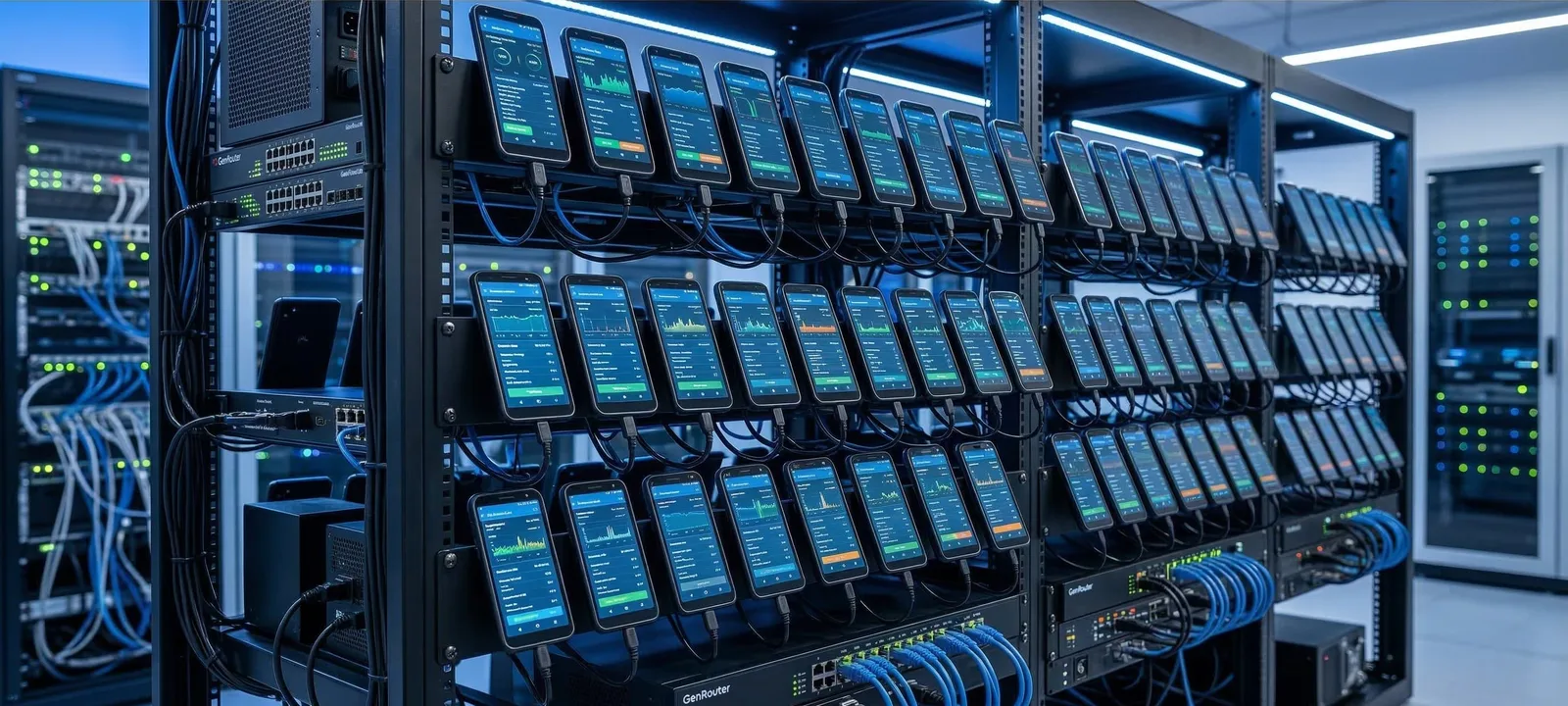
Consider a digital marketing agency that needs to test app performance across various devices and operating systems. By implementing phone farm automation, the agency can deploy applications on 500 devices simultaneously, ensuring comprehensive testing in a fraction of the time it would take manually. This approach not only accelerates the testing process but also provides more reliable data, as it eliminates the human error often associated with manual testing. As a result, the agency can deliver app updates more quickly, improving client satisfaction and competitive advantage.
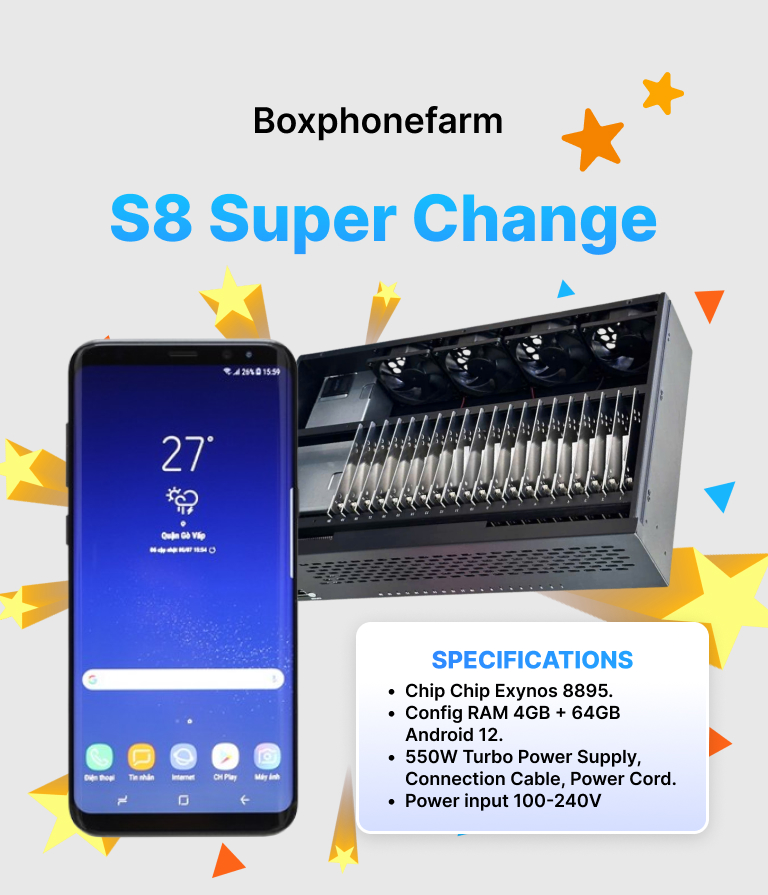
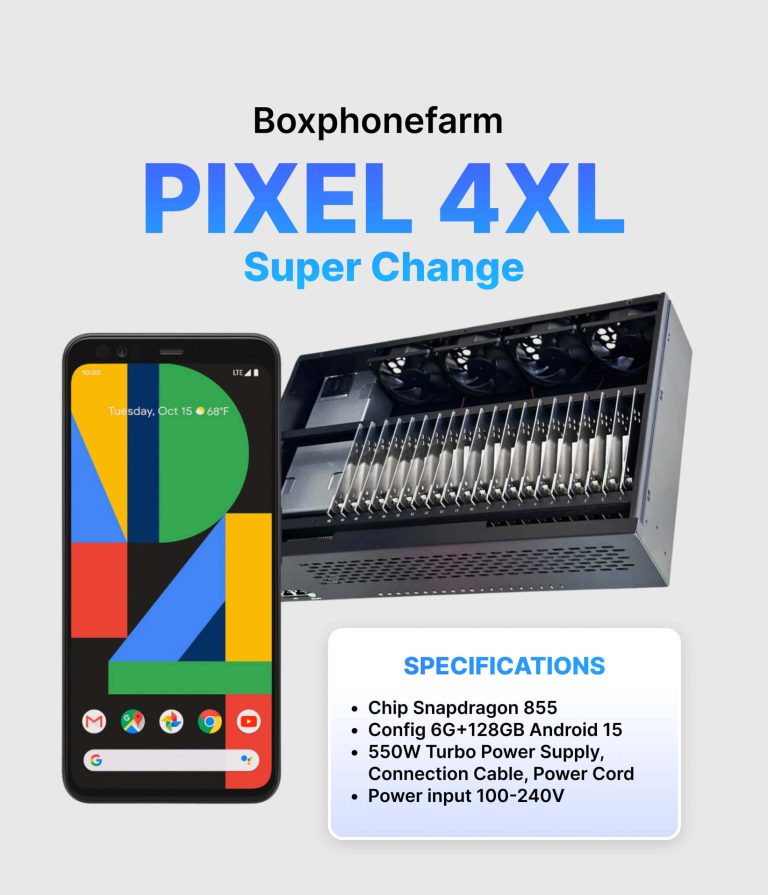
However, setting up a phone farm requires careful consideration of the types of devices and the software used. While high-end devices like the Note 10 Lite Change offer powerful performance, they also come with higher costs. In contrast, more budget-friendly options like the Boxphone S8 Change provide essential features such as ADB hiding and backup support, making them ideal for large-scale deployments without compromising on automation capabilities. This balance between cost and functionality is crucial for businesses looking to optimize their operations without overspending.
For businesses considering phone farm automation, it’s essential to evaluate their specific needs and resources. If you’re a small startup, opting for cost-effective devices and focusing on gradually scaling your operations might be the best approach. For larger enterprises, investing in advanced devices with robust automation capabilities could enhance performance and security across extensive operations. Ultimately, the decision should align with your operational goals and budget constraints, ensuring that the implementation of phone farm automation delivers tangible benefits in efficiency, scalability, and cost reduction.
Essential Hardware for Phone Farm Automation
Setting up a phone farm requires a careful selection of hardware components to ensure efficient and reliable operation. The initial setup can be daunting, especially for beginners, but understanding the essential components can simplify the process. To start, you’ll need a collection of smartphones, which are the core of your phone farm. Opt for models that offer a good balance between cost and performance, such as mid-range Android devices. Additionally, consider acquiring USB hubs with at least 10 ports to charge and connect multiple phones simultaneously, ensuring continuous operation without frequent interruptions.
Next, invest in a robust power supply capable of supporting the total wattage required by all devices. A power strip with surge protection is also recommended to safeguard against voltage spikes. For connectivity, a high-speed Wi-Fi router is essential to maintain stable internet connections across all devices. This ensures that each phone can continuously execute tasks without connectivity issues. Finally, mounting equipment, such as adjustable phone stands or racks, is crucial to organize the devices neatly and efficiently, facilitating easy access for maintenance and monitoring.
Setting Up Your Phone Farm: Power, Connectivity & Mounting
Once the hardware is in place, integrating software tools to automate operations is the next step. Essential software includes automation platforms like Tasker or MacroDroid, which allow you to automate repetitive tasks on Android phones. These tools can schedule tasks, manage app usage, and optimize device performance seamlessly. Integrating these software solutions with your hardware is straightforward. For instance, the GenFarmer platform provides a comprehensive suite that includes GenLogin for managing multiple accounts and GenRouter for optimizing internet connectivity across devices.

The key features of GenFarmer’s software solutions are their ability to automate complex workflows and provide real-time monitoring. This integration ensures that the phones operate efficiently with minimal human intervention. In practice, a user can set up a script to automatically open a specific app, perform a series of actions, and close it, all within a predefined schedule. This hands-free operation maximizes productivity and reduces the time spent on manual tasks.
Choosing the Right Hardware: Boxphones vs Routers
When it comes to selecting between Boxphone devices and routers for automation, understanding their differences is pivotal. Boxphones, such as the S8 Change model, are specialized devices designed for automation with built-in features like ADB hiding and Android 14 support. These features make them ideal for tasks requiring stealth and security. On the other hand, routers, which provide internet connectivity, play a crucial role in maintaining stable connections for large-scale phone farms.
To illustrate, the Boxphone S8 Change offers a cost-effective solution with essential functionalities for large-scale deployments. It supports ADB hiding, a critical feature that prevents detection during automation tasks, ensuring operational privacy. Meanwhile, routers are indispensable for distributing internet access uniformly across all devices, preventing bottlenecks that could disrupt automation processes.
In a practical scenario, a user operating a 50-device phone farm might choose the Boxphone S8 Change for its balance of affordability and functionality. This choice allows for efficient scaling without compromising on security or automation capabilities. For users prioritizing advanced performance, opting for a more robust Boxphone model or upgrading the router can enhance overall efficiency.
Ultimately, the decision between Boxphones and routers should be guided by specific needs. If your focus is on cost-effective security and automation, the S8 Change is an excellent choice. Conversely, if you’re aiming for maximum connectivity and performance, investing in high-quality routers is advisable.
Critical Software Tools for Phone Farm Automation
Phone farm automation hinges on advanced scripting techniques that enable the seamless operation of multiple devices. As phone farms grow in complexity, integrating scripting becomes crucial to automate tasks without manual input. This section delves into the role of scripting in enhancing automation efficiency.

Scripting languages such as Python and Bash are commonly employed to automate routine tasks in phone farming. Python, with its extensive libraries, allows for intricate task automation, including app launching, data input, and error handling. Bash scripts, on the other hand, are efficient for executing command-line tasks across multiple devices. A typical script might automate the process of launching apps at scheduled intervals, checking for updates, and reporting errors back to a central server.
Best practices in script creation include modular design and thorough commenting, which facilitate maintenance and scalability. Scripts should be tested in controlled environments to identify potential bugs and optimize performance. A phone farm manager using Python scripts reported a 30% reduction in operational downtime by automating error checks and restarts, illustrating the tangible benefits of well-structured scripts.
For those looking to delve into automation scripting, starting with simple scripts and gradually increasing complexity is advised. This method allows for the development of skills while minimizing the risk of errors impacting the entire farm.
Top Automation Apps and Platforms to Manage Your Farm
Developing custom scripts for phone farm automation can significantly enhance control and efficiency. To create these scripts, one must first understand the specific tasks that require automation. Identifying repetitive manual tasks, such as app updates or data collection, is the first step.
The next step involves selecting appropriate tools and languages. Python is highly recommended due to its versatility and the availability of libraries like Selenium for web automation. A script can be developed to automate data scraping from apps, which can then be processed and stored in a database for analysis.
Testing the scripts in a simulated environment is essential to ensure reliability. This involves running scripts under various conditions to observe their behavior and make necessary adjustments. A user reported achieving a 40% improvement in task completion times by iteratively optimizing script performance.
To optimize scripts, focus on reducing latency and ensuring compatibility with different device configurations. Regular updates and code reviews help in maintaining script efficiency. Users should consider leveraging platforms like AutoHotkey for Windows automation, which simplifies the script development process through its user-friendly interface.
ADB & Remote Control Tools: How to Run Devices Hands-Free
The Android Debug Bridge (ADB) is a vital tool for phone farm automation, enabling remote control and management of devices. ADB operates as a command-line tool that facilitates communication between a computer and Android devices, allowing for tasks such as app installation, system updates, and performance monitoring.

However, maintaining stealth in operations often requires hiding ADB connections. Techniques for hiding ADB include using virtual network interfaces and encrypted communication channels. These methods prevent unauthorized detection of ADB activity, enhancing security. A phone farm operator utilizing these techniques reported a significant decrease in detection rates, ensuring smoother operations.
The benefits of hiding ADB connections extend to improved security and reduced risk of interference from outside entities. By safeguarding communication channels, operators can maintain uninterrupted control over their phone farms. For those prioritizing stealth, investing in tools that support ADB hiding, such as specialized routers or software solutions, is advisable to maintain operational integrity.
Common Phone Farm Automation Mistakes and How to Fix Them
One common challenge in phone farm automation is the inefficient use of resources, leading to increased operational costs. For instance, businesses investing over $10,000 monthly on device maintenance often encounter performance bottlenecks due to improper load balancing and suboptimal device configurations. This not only affects the efficiency of the farm but also increases downtime, impacting overall productivity.
The technical core of this issue often lies in the misconfiguration of Android Debug Bridge (ADB) settings, which is crucial for managing devices remotely. ADB acts as a conduit for communication between computers and phones, facilitating tasks such as app installations and performance monitoring. However, improper ADB setup can expose vulnerabilities that external entities might exploit, leading to unauthorized access and data breaches. Additionally, not hiding ADB connections can increase the risk of detection by anti-fraud systems, potentially jeopardizing entire operations.
A practical scenario illustrating this involves a mid-sized digital marketing firm utilizing a fleet of 500 devices for app testing. Initially, they faced significant latency issues and frequent device disconnections, resulting in a 25% drop in testing efficiency. By implementing a structured approach to ADB configuration, such as using stealth software that conceals ADB activity, the firm was able to enhance its operational efficiency. This adjustment led to a noticeable improvement in connection stability and reduced incidents of unauthorized access, thereby increasing their testing output by approximately 40%.
When making decisions about phone farm automation, businesses must consider their specific needs and capabilities. For smaller operations, focusing on basic ADB security measures might suffice. However, for larger enterprises handling sensitive data, investment in advanced stealth technologies is advisable. If your business has fewer than 100 devices, starting with cost-effective solutions like the S8 Change model, which offers ADB hiding and Android 14 support, can be a practical choice. Conversely, operations exceeding this scale should prioritize robust, scalable solutions to ensure both security and performance.
Understanding these common pitfalls and implementing appropriate corrective measures can greatly enhance the effectiveness and security of phone farm automation. By leveraging the right combination of technology and strategy, businesses can optimize their resources and maintain seamless, secure operations.
GenFarmer: The All-in-One Phone Farm Automation Ecosystem
Businesses running large-scale phone farms face mounting complexity and cost — often spending over $10,000 monthly on device management. The GenFarmer ecosystem tackles this with an integrated suite of tools (GenLogin, GenCloudphone, and GenRouter) that centralizes device control, automates repetitive tasks across thousands of devices, and reduces manual intervention by up to 70%. Combined with advanced security features like ADB hiding and encrypted data channels, GenFarmer delivers both operational efficiency and robust data protection against growing cyber threats.
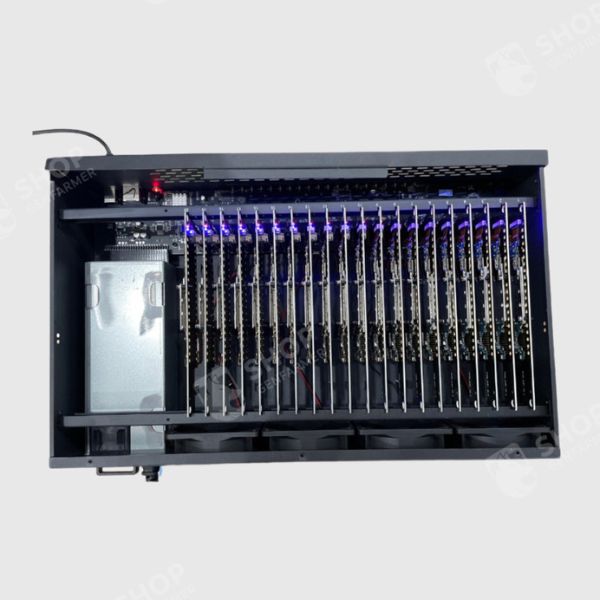
The real-world impact is significant: a digital marketing firm managing 500 devices, for example, can increase output by 40% without additional staffing — simply by automating logins, content posting, and interaction tracking. Whether you’re running a small phone farm or a large-scale enterprise operation, GenFarmer streamlines execution so your team can focus on strategy, scale confidently, and stay compliant with data protection requirements.
GenFarmer Features That Boost Automation Efficiency
GenFarmer is distinguished by several features that significantly enhance automation efficiency. One of its standout capabilities is the centralized dashboard, which allows users to monitor and control all devices from a single interface. This feature reduces the time spent on device management by 60%, as users no longer need to handle each device individually.
Another key feature is the automated task scheduler, which enables users to plan and execute tasks at optimal times without manual intervention. For example, a user can schedule updates or run scripts during off-peak hours, ensuring minimal disruption and maximizing resource utilization.
In practical terms, these features allow a user managing 200 devices to cut task execution time from 20 hours a week to just 8 hours. This efficiency not only saves time but also ensures that tasks are performed consistently and accurately, reducing the likelihood of errors.
GenRouter H3000: Stealth Networking That Protects Every Device in Your Farm
The GenRouter H3000 is a critical component of the GenFarmer ecosystem, offering advanced networking capabilities that safeguard each device in a phone farm. This router employs stealth networking technology to mask device activity, making it nearly invisible to potential security threats. This is particularly important for operations where data integrity and privacy are paramount.
Technically, the GenRouter H3000 works by encrypting all data transmissions and dynamically changing IP addresses, which prevents tracking and unauthorized access. This level of security is vital for organizations handling sensitive data across multiple devices, as it mitigates the risk of data breaches and ensures compliance with strict privacy regulations.
In a practical application, consider a financial institution using GenRouter H3000 to manage 1,000 devices for mobile banking operations. By employing this router, the institution can protect its network from cyber threats, maintaining customer trust and regulatory compliance. The router’s ability to operate stealthily ensures that all operations remain secure and uninterrupted.
For businesses prioritizing security, integrating the GenRouter H3000 into their infrastructure is a strategic move. If your operations involve handling sensitive data, this router offers an unparalleled level of protection that can safeguard your assets while maintaining operational efficiency.
Conclusion
Navigating the intricate landscape of phone farm automation, we’ve uncovered the essential components that can transform your operations. From understanding the foundational hardware needed to establishing a robust system, this guide has demystified the complexities of managing multiple devices. We’ve explored advanced scripting techniques that streamline repetitive tasks, preventing the common pitfall of inefficient resource use that can drain over $10,000 monthly. Moreover, the GenFarmer ecosystem emerged as a pivotal solution, offering a seamless integration to manage device complexity, ensuring your phone farm operates at peak efficiency.
Don’t let inefficiencies hold you back. Discover the power of GenFarmer today and revolutionize your phone farm operations. Explore our offerings and see how you can enhance your automation efficiency now!
Other Articles
- What is a Box Phone Farm? The Complete Guide to this MMO and Automated Marketing Tool
- Affiliate Marketing with Phone Farming: Secrets to Maximizing ROI for CPL/CPA in 2025
- Making Money on Instagram with a Phone Farm: Can GenFarmer Help You Automate Effectively?
- Phone Farm MMO: The Complete A-Z Guide to Sustainable Online Earning in 2025
- Comparing Game Grinding Efficiency: Box Phone Farm vs. PC Emulators (Nox, BlueStacks)






 VOUCHER
 DEMO 1-1